
Even though I’ve already written twice in this blog about the city of Buenos Aires, I do feel a bit fraudulent, and that’s because I haven’t even spent that much time within the city lines. Out of the year or so I’ve spent in Argentina, I’d say 90% of that time was spent outside of the country’s capital, and more specifically about 30 minutes north bound on the Pan American highway, in the riverside city of Tigre. A really special place.
I’ve been really lucky to have travelled all over Argentina, from the southernmost city, Ushuaia, right up to the Triple Frontera and the unbelievable Iguazú falls. I’ve seen some places so beautiful I’ve had to pinch myself to believe what I was witnessing. But still, the place that I cherish the most has to be Tigre. It’s hard to articulate what I love so much about the city that sits parallel to the wild, maze-like delta. Maybe it’s because I’ve spent months on end there, or maybe it’s more than that.

It’s a shame to get to know a place like Tigre all too well, because with that I think it can lose its magical charm and get taken for granted. Writing this in England—where the days are dark, cold, and wet—far, far away from the city, it’s only now that I can appreciate the rustic beauty that it possesses.
The Costanera de Tigre is a small section of the city which runs alongside the Luján River, and it’s no wonder that visitors from Buenos Aires flood the streets every weekend to enjoy the tranquility that comes with this area. It’s the perfect place to hang out with friends, get an ice cream from Heladería Vía Toscana—one of the best ice cream parlours i’ve ever been to—and sit riverside, getting a bite to eat at one of the many great restaurants. My pick would be María Lujan—a high-end restaurant which serves some great pasta dishes.
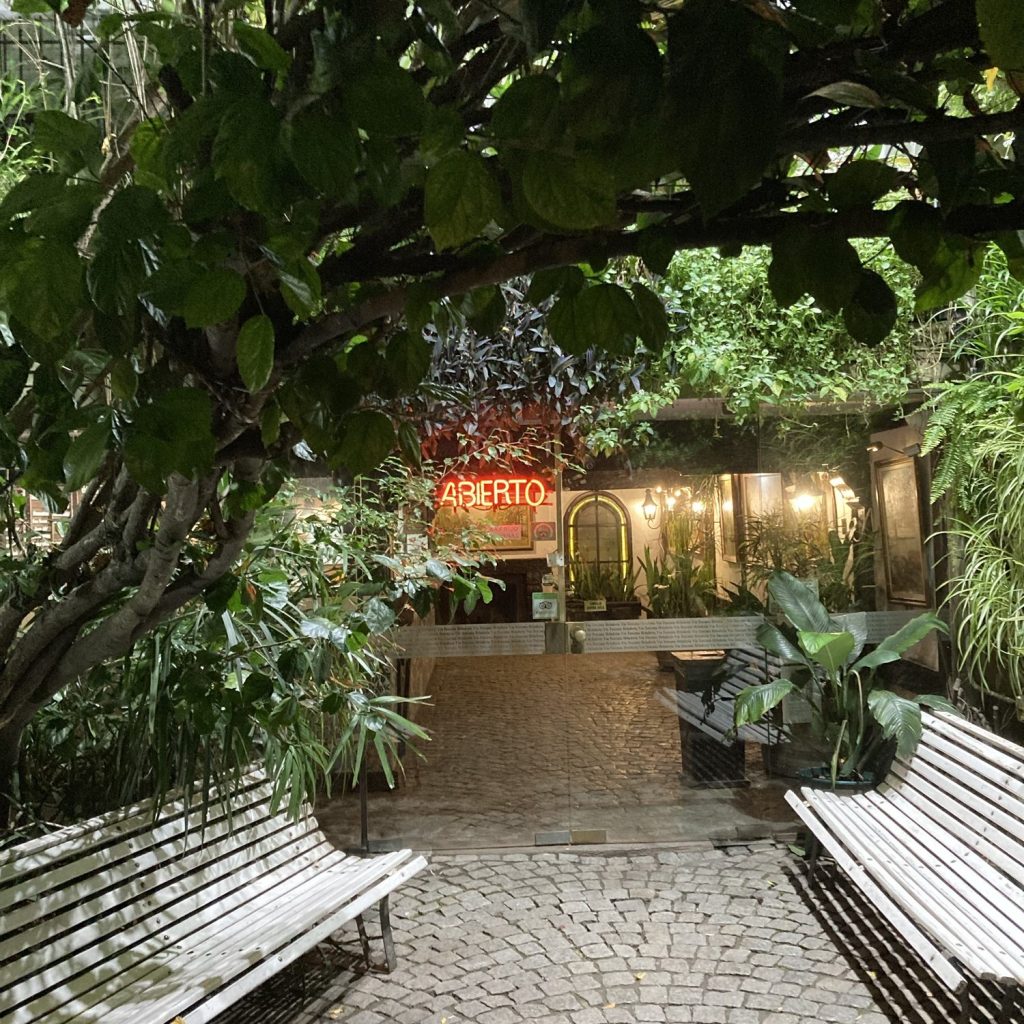
On the Costanera you’ll pass the Club de Regatas La Marina, a grand, old rowing club which makes for a beautiful sight just across the river. As you walk further down Victorica avenue, passing green trees and park benches, you’ll be greeted with the Museo de Arte, a stunning waterfront art museum which doesn’t look too dissimilar to a fairytale castle. It’s one of the many marvellous buildings in Tigre—although I’ve never been inside the museum, it’s worth the visit just to see the exterior.
Even though the city is sometimes overrun with visitors on the weekend, during the week it’s a completely different story. It might be a bit ironic for an English person to celebrate the lack of visitors in an Argentinian city—being an outsider myself—but I have to say I enjoy the laid back nature of Tigre when fewer people are roaming the streets. Plus, if you do visit the city midweek you might be able to a take (a usually packed) tour of the Delta practically by yourself—an excursion I’d highly recommend if you like exploring the wild, and the idea of potentially spotting a capybara.
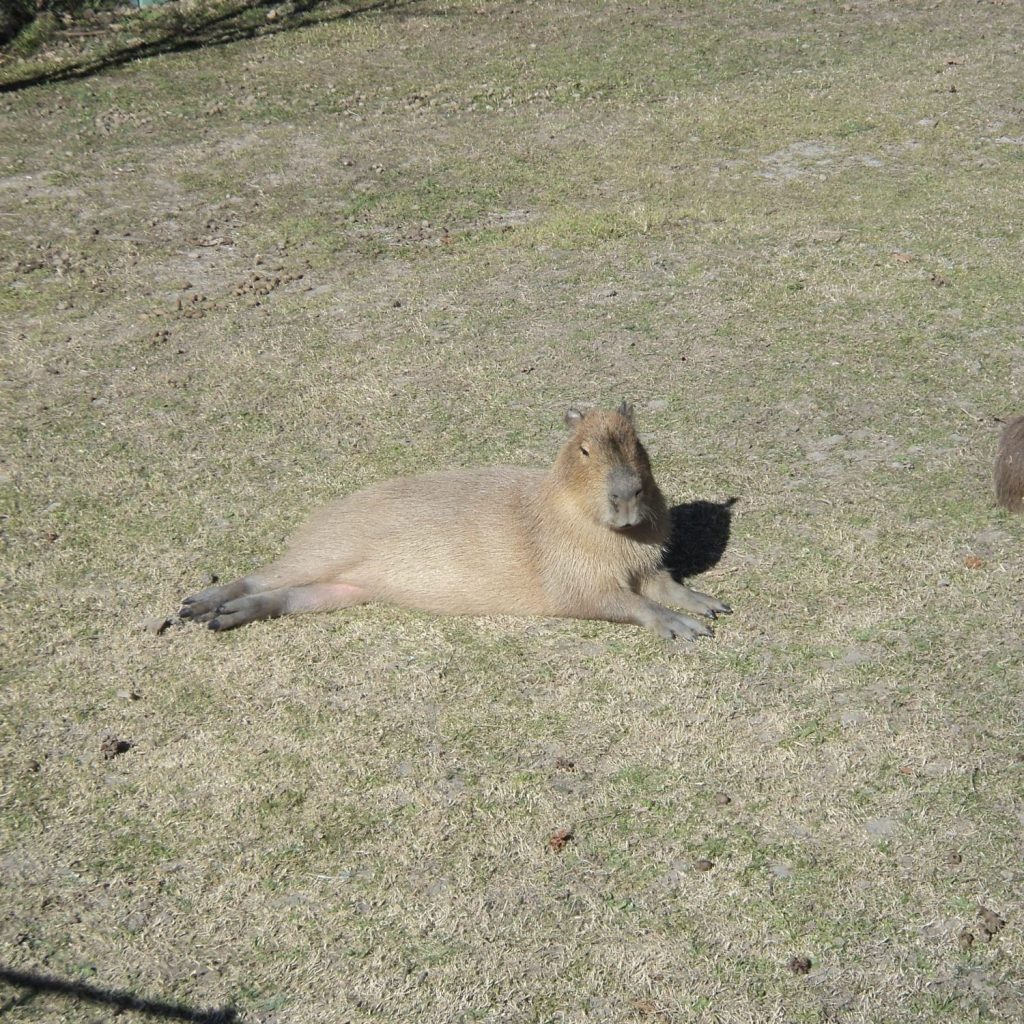
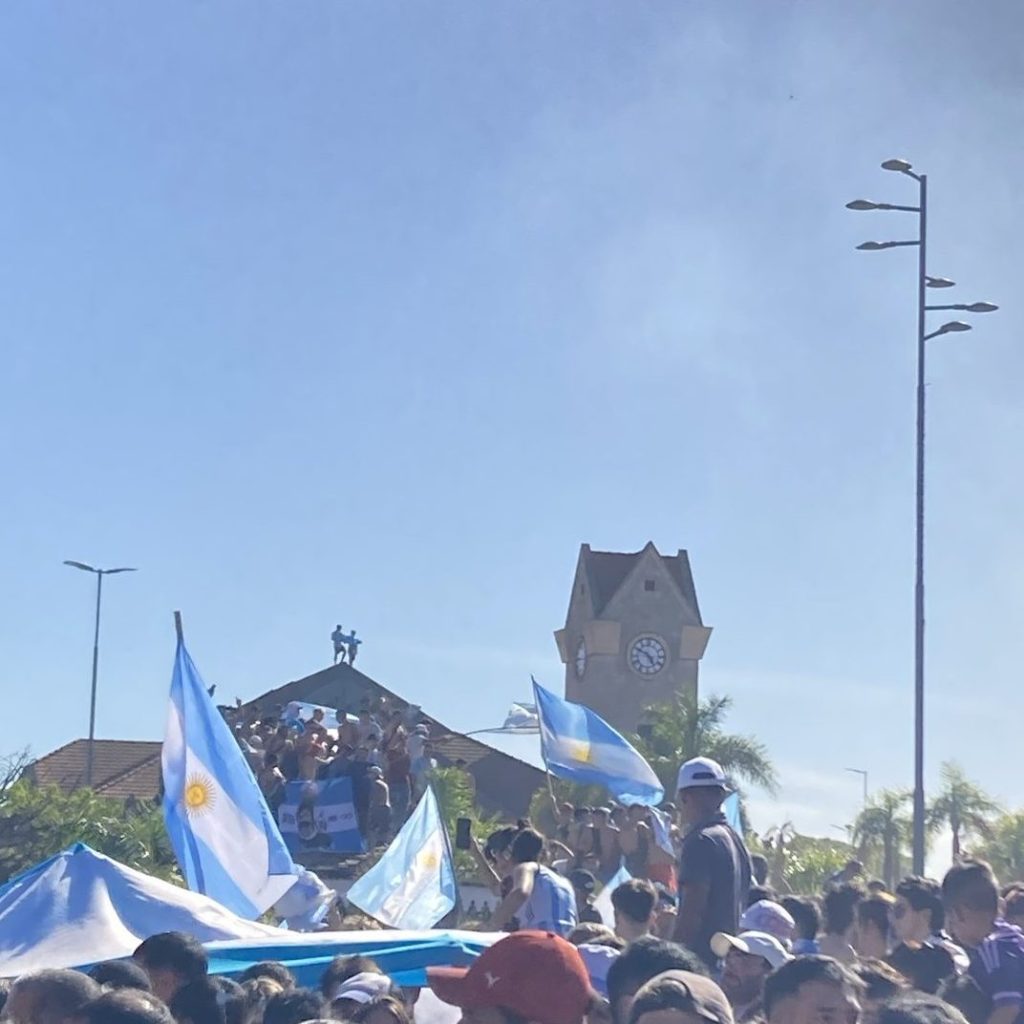
Apart from the pretty riverside walkways, the brilliant restaurants and lovely houses in Tigre, for me the connection with the city has come through a multitude of experiences and memories I’ve made there. From my first visit—stepping off the train in the centre of the city and being greeted with a statue of a Capybara—to going on multiple nights out in an awful bar called Brujas (it’s awful, but enjoyable with the right company). I have so many fond memories from Tigre that I’m sure I’ll carry with me for the rest of my life. Out of all of them, the one I hold dearest would be taking to the streets when Argentina won the World Cup. Even as an Englishman, it was one of the happiest days of my life… I even cried a bit, but that’s a story for another blog.
Away from the Costanera and into the centre of the city, there’s an institute that I want to give my highest praise to, and it’s called Las Glorias. A place you’d probably never see in England, but a beautifully Argentinian concept. Imagine a restaurant full of small wooden tables and chairs, red leathery tablecloths, a few TVs playing the sports channel, and a multipurpose sports hall connected to the side. That’s what Las Glorias is. Although it may not sound like a fine-dining restaurant, don’t let that deter you, because it’s genuinely one of the best places I’ve been to eat. The food tastes more homemade than if your own grandma had whipped you up a meal, the portions are way beyond what’s necessary for the average person, and there’s no fanciness about the place. It’s proper Argentinian cuisine, and a lot of it. What’s not to like?
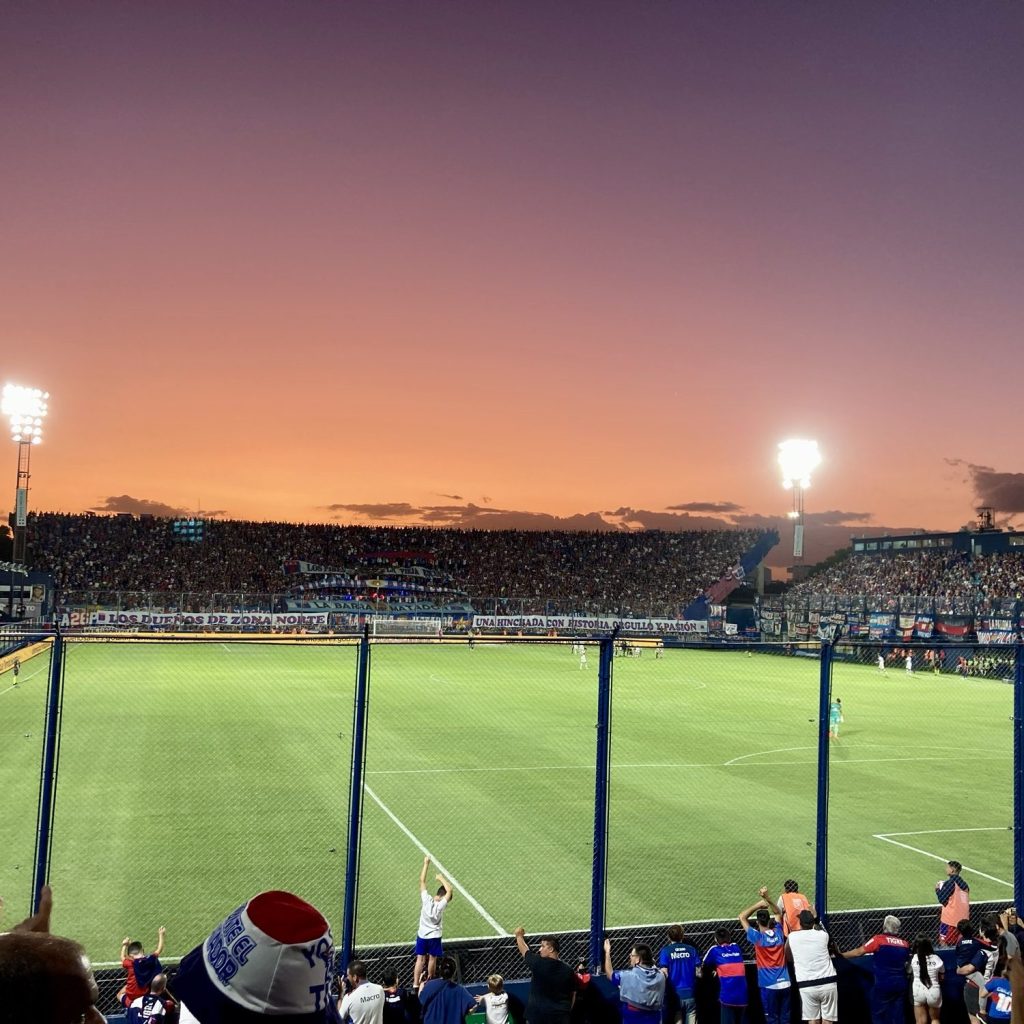
Lastly, I couldn’t write about Tigre and not mention my favourite Argentinian football club: Club Atlético Tigre.

As a Burnley fan, I love the idea of a football club that unites a whole town or city, where everyone comes together to get behind their team. And I have to say, even though Burnley and Tigre are worlds apart, there are striking similarities between the two. Both stadiums are in the heart of their community, both sets of fans support their team even in the worst of times (which there have been a lot), and both teams give you a sense of pride to say they’re the team you support.
Club Atlético Tigre is a truly unique club and one that I will support for the rest of my life. You can’t walk for five minutes within the city or surrounding areas and not see some club merchandise. The city breathes football, and the whole community is utterly captivated by the club.
What makes this establishment so special is the feeling that everyone in the stands knows each other, everyone is part of this big, extended, blue and red family. People in their 80s or 90s transmitting the same passion as a kid going to the stadium for the first time. In a place like Tigre, it would be so easy for people to support a Boca Juniors or a River Plate, but the people of the city take pride in their beautiful club, and rightly so. It’s a truly special institution and one that should maintain its identity at all costs. It’s one detail in the whole tapestry of Tigre. And what a beautiful tapestry it is.




 Albert's Travel Companion
Leave a comment