
Buenos Aires is the greatest city in the world—of that—I have no doubt. I’ve not actually been to many of the world’s great cities, but when you’ve been to the best, what’s the point? I guess, when you know, you know. If I tried to describe to you what makes Buenos Aires so great without you having experienced it for yourself, then I might be wasting my time. But, I’ll try my best to share the almost tangible magic that the city possesses.
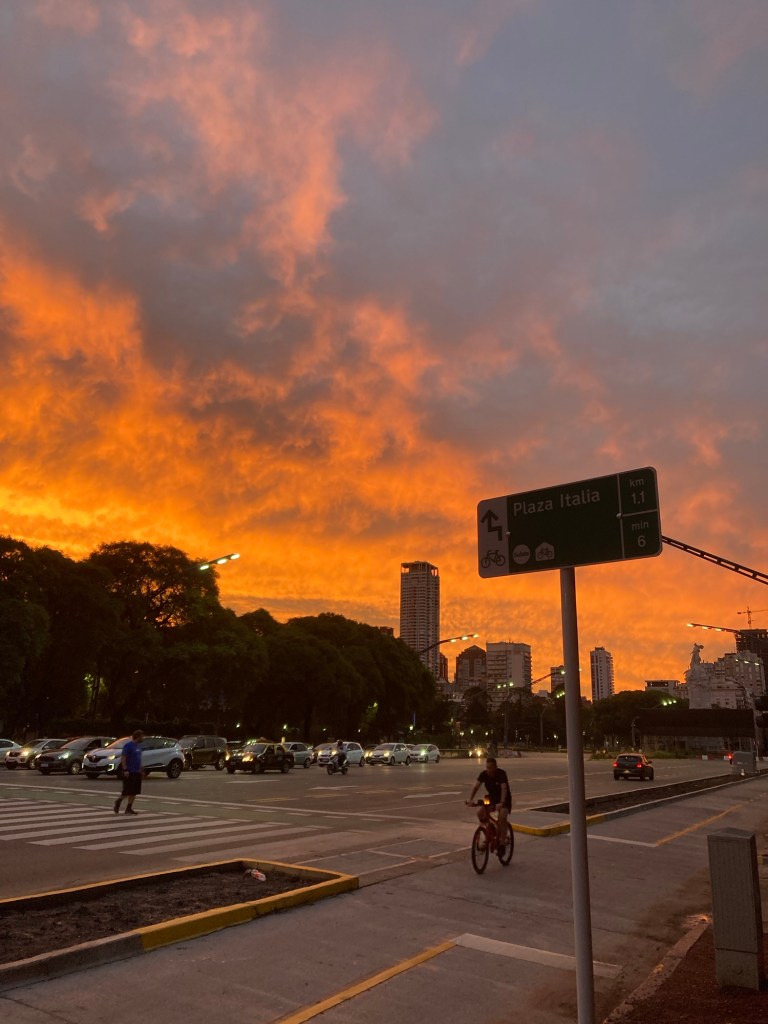
So many stories, films, and songs revolve around the idea of Buenos Aires and the essence of what makes the city so special, so there’s not much I can add that hasn’t already been said. However, my favourite representation of Buenos Aires is its contradictory nature, like renowned actor, Guillermo Francella, says in the film, ‘Mi Obra maestra’: “Buenos Aires is the best city in the world, but paradoxically, it might also be the worst city in the world. And this contrast is what makes it so alluring.” You can go from standing in front of famous historical landmarks like Teatro Colón, Casa Rosada, and the Obelisco—absolutely frantic places—where people are flooding the streets near enough all hours a day. To quiet, tranquil, tree-covered streets in neighbourhoods like Coghlan, Colegiales or Caballito (not all neighbourhoods in Buenos Aires start with a C, these are just some of my favourites), where on some streets you may even mistake yourself thinking you’re in the middle of a small town. This contrast is what makes Buenos Aires what it is.
You could spend your Saturday afternoon queuing outside of Güerrín—an iconic Pizzeria right in the heart of the city—anxious in-line, waiting to get a taste of the—wonderfully cheesy and delicious— traditional Argentinian style of Pizza. It’s potentially the busiest eatery in the city, with an army of waiters on duty to serve two separate rooms full of hungry clients. People from all backgrounds go to enjoy a Pizza at Güerrín: Lawyers on a lunch break, Families celebrating a birthday, Tourists looking to have a taste of the famous Fugazzeta. When at full capacity, it feels like there’s a whole city inside the restaurant. It’s fast paced, very loud, and a great representation of the controlled chaos of the city.

This being said, you could also spend a lazy Sunday morning at one of the many excellent and quirky Cafes across the quieter neighbourhoods, all you’ll be met with here are elderly people taking their dogs for a laidback stroll, Parents taking their kids out for a similar reason, and maybe some younger friends catching up over a few coffees and pastries. At least here—away from all the noise and people in the centre of the city— you’ll have a chance to take in some of the beautiful buildings that Buenos Aires possesses.
Believe me, there’s a lot.
The city is a melting pot of different cultural influences, with each of the 48 different neighbourhoods having their own mini-identity. Influenced by years of immigration from various different countries. The mix of Argentinian, Spanish, Italian, French and, even at times, English architecture comes together to paint a stunning mix-and-match picture that is Buenos Aires. It’s different, but it works.
Another component which adds heavily towards the colourful tapestry that makes up Buenos Aires: the residents of the city, also known as Los Porteños.
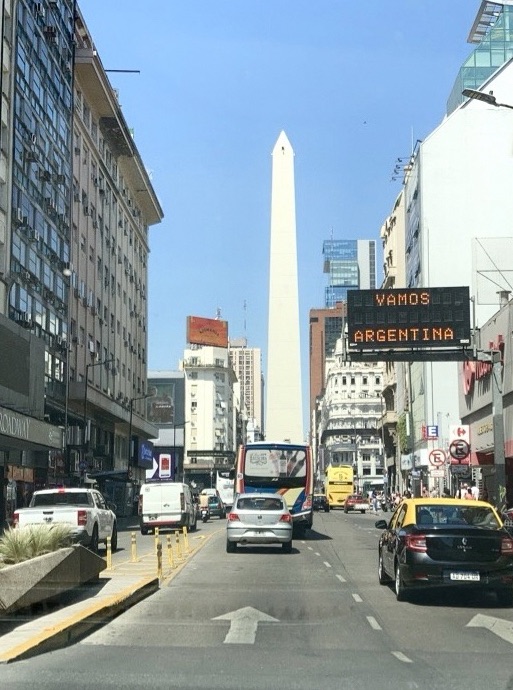
Every time you step out into the streets of Buenos Aires you’re entering yourself—unwillingly—into a lottery of the various people you may come across. Los Porteños have a fairly bad name across Argentina, people say they’re rude, stuck up, and arrogant. I believe this is only partly true. As I said, it’s a lottery. You might get into a taxi and have a great conversation with a lovely middle-aged man about Argentinian football, or you may get charged extra for not—perfectly—pronouncing the street Pueyrredón. It really depends on whatever person you happen to come across at that time. I will say this though, I believe that Los Porteños can be some of the kindest and most hospitable people around. There have been many times where I’ve felt completely uncomfortable as an Englishman at the lengths that some people will go to, just to make you feel welcomed and at home. It’s a truly beautiful part of what makes this city so special.
Buenos Aires is so big that I could write various pieces on various neighbourhoods in the city, but with this piece specifically, I wanted to try and capture what makes Buenos Aires so special as a whole, whether that’s the People, the architecture, or the diverse landscape of the city. You have to visit Buenos Aires at least once in your lifetime, and you have to feel the magic of the city.
It’s incomprehensible and—truly—incomparable.




 Albert's Travel Companion
Leave a reply to My three favourite neighbourhoods in Buenos Aires – Albert's Travel Companion Cancel reply